
The Origin of Sarees: A 5,000-Year Journey of Indian Elegance
The saree is often seen as timeless — but its story is far from static.
It has evolved over thousands of years, shaped by culture, climate, craftsmanship, and changing lifestyles.
Understanding its origin helps you appreciate not just the garment, but the craft and history behind it.
The Earliest Roots: Indus Valley Civilization
The origin of the saree dates back over 4,000–5,000 years to the Indus Valley Civilization (around 2800–1800 BCE). 
Archaeological findings, including terracotta figurines, show women wearing unstitched draped garments — very similar to how sarees are worn today.
At that time:
- Cotton was already being cultivated and woven
- Natural dyes like indigo and turmeric were used
- Fabric was wrapped, not stitched
Early Draped Garments: The Foundation of the Saree
In ancient India, women didn’t wear a saree as we know it today.
Instead, they wore a three-piece ensemble:
- Antariya → lower garment (like a wrapped skirt)
- Uttariya → upper cloth or veil
- Stanapatta → chest band
These garments are mentioned in early Sanskrit and Buddhist texts around the 6th century BCE. 
Over time, these three pieces gradually merged into:
A single, continuous draped garment — the saree
The Evolution of Draping Styles
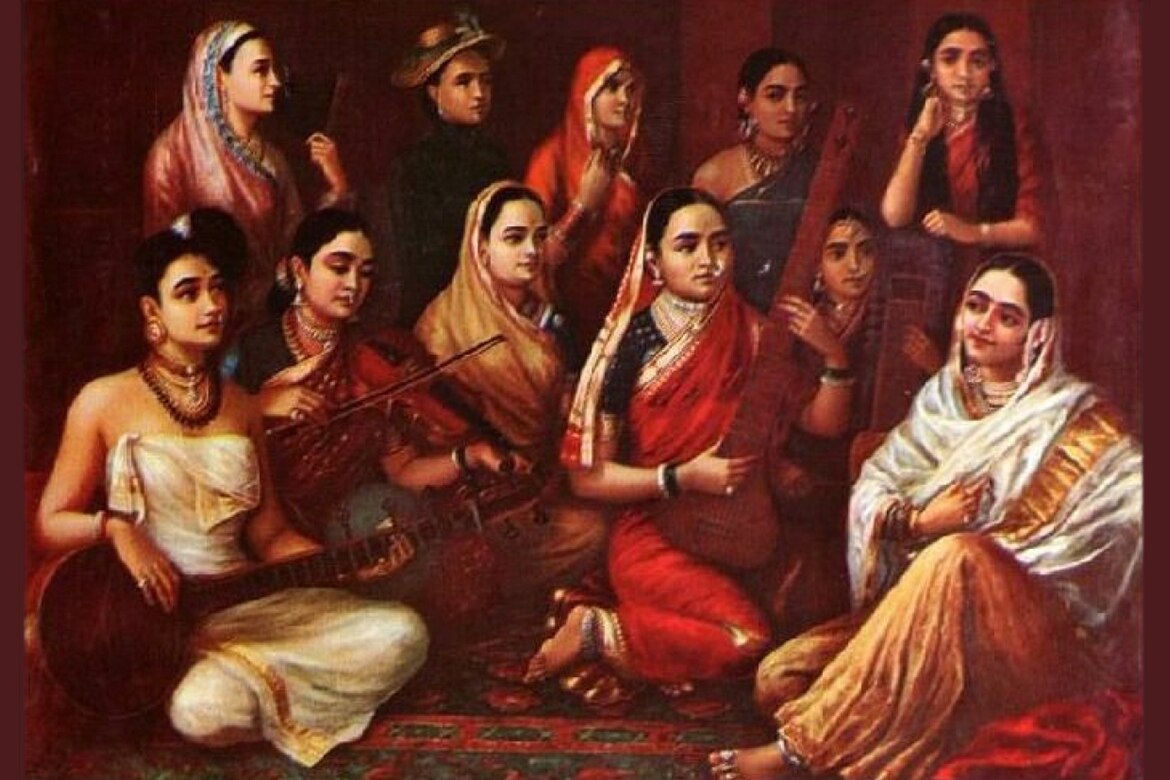
The way sarees are worn has changed significantly over time.
Ancient draping:
- Often left the upper body uncovered
- Focused on functionality and climate
Later developments:
- More structured drapes
- Inclusion of blouse and petticoat
- Regional variations in style
The modern blouse (choli) is believed to have evolved around the 1st century CE, becoming standard much later. 
Influence of Culture, Religion, and Society
Saree styles have always been influenced by:
- Cultural norms
- Religious beliefs
- Regional traditions
For example:
- Certain texts emphasized modesty, influencing draping styles
- Different regions developed unique weaving techniques
Over centuries, sarees became:
Not just clothing, but a reflection of identity and tradition
Rise of Regional Sarees
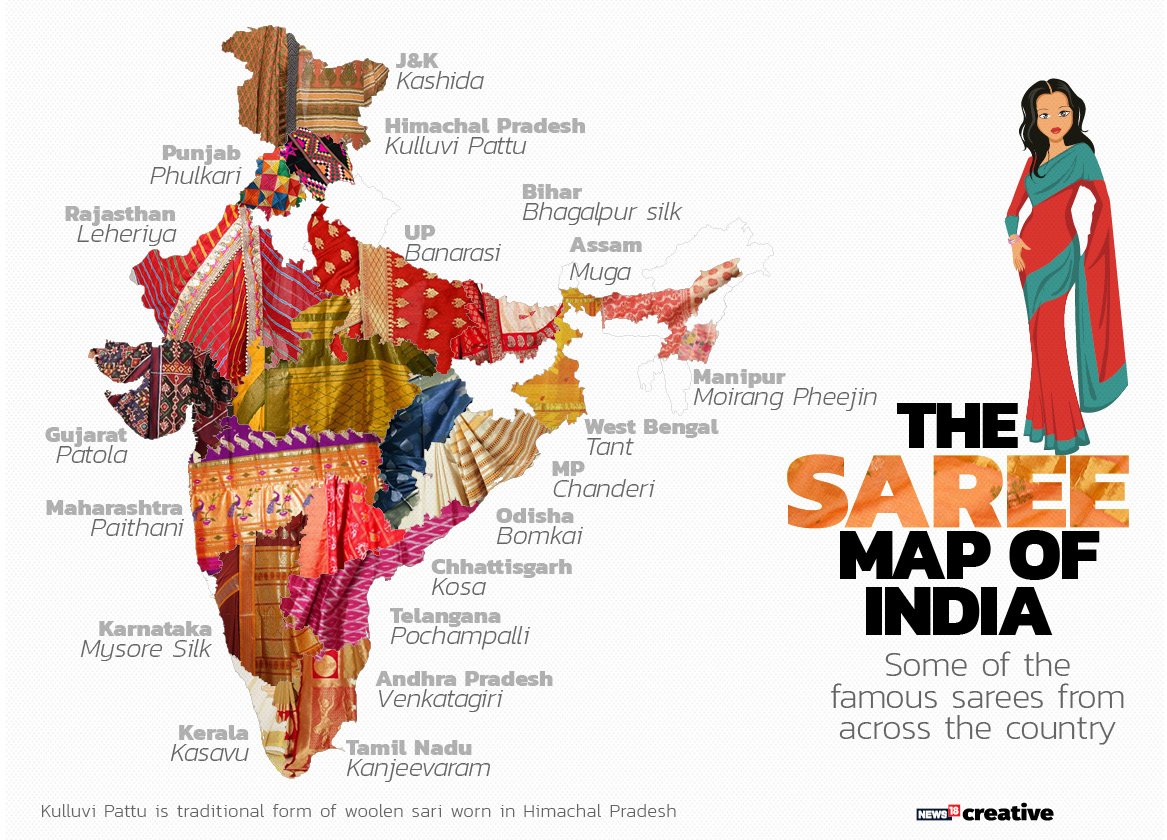
As weaving techniques evolved, different regions in India developed their own styles:
- Banarasi → rich silk with zari work
- Kanjeevaram → structured silk with bold borders
- Bandhani → tie-dye patterns
- Patola → intricate double ikat weaving
Each saree type reflects:
- Local climate
- Available materials
- Cultural influences
India today has dozens of regional saree styles, each with its own history. 
The Saree Through Different Eras
Ancient period:
- Simple draped garments
- Functional and climate-driven
Medieval period:
- Introduction of richer fabrics
- Influence of royal courts and artisans
Colonial period:
- Blouse and petticoat became more common
- Saree adapted to changing social norms
Modern era:
- Fusion styles
- Pre-stitched sarees
- Global recognition
Despite all these changes, the saree has remained:
A continuous piece of cloth — unchanged at its core
Why the Saree Has Survived So Long
Very few garments in the world have lasted thousands of years.
The saree has survived because it is:
- Adaptable
- Can be styled in multiple ways
- Works across generations
- Versatile
- Suitable for daily wear and weddings
- Works in different climates
- Inclusive
- Fits all body types
- Doesn’t rely on fixed sizing
- Cultural
- Carries tradition and identity
The Saree Today
Today, the saree exists in many forms:
- Traditional handwoven sarees
- Modern minimal designs
- Fusion drapes
It continues to evolve — but its foundation remains the same:
A single piece of fabric, shaped by how you wear it
Final Thought
The saree is not just a garment —
it is one of the oldest surviving forms of clothing in the world.
From ancient draped cloth to modern fashion statement, its journey reflects:
- Craftsmanship
- Culture
- Continuity
And that is what makes it timeless.
